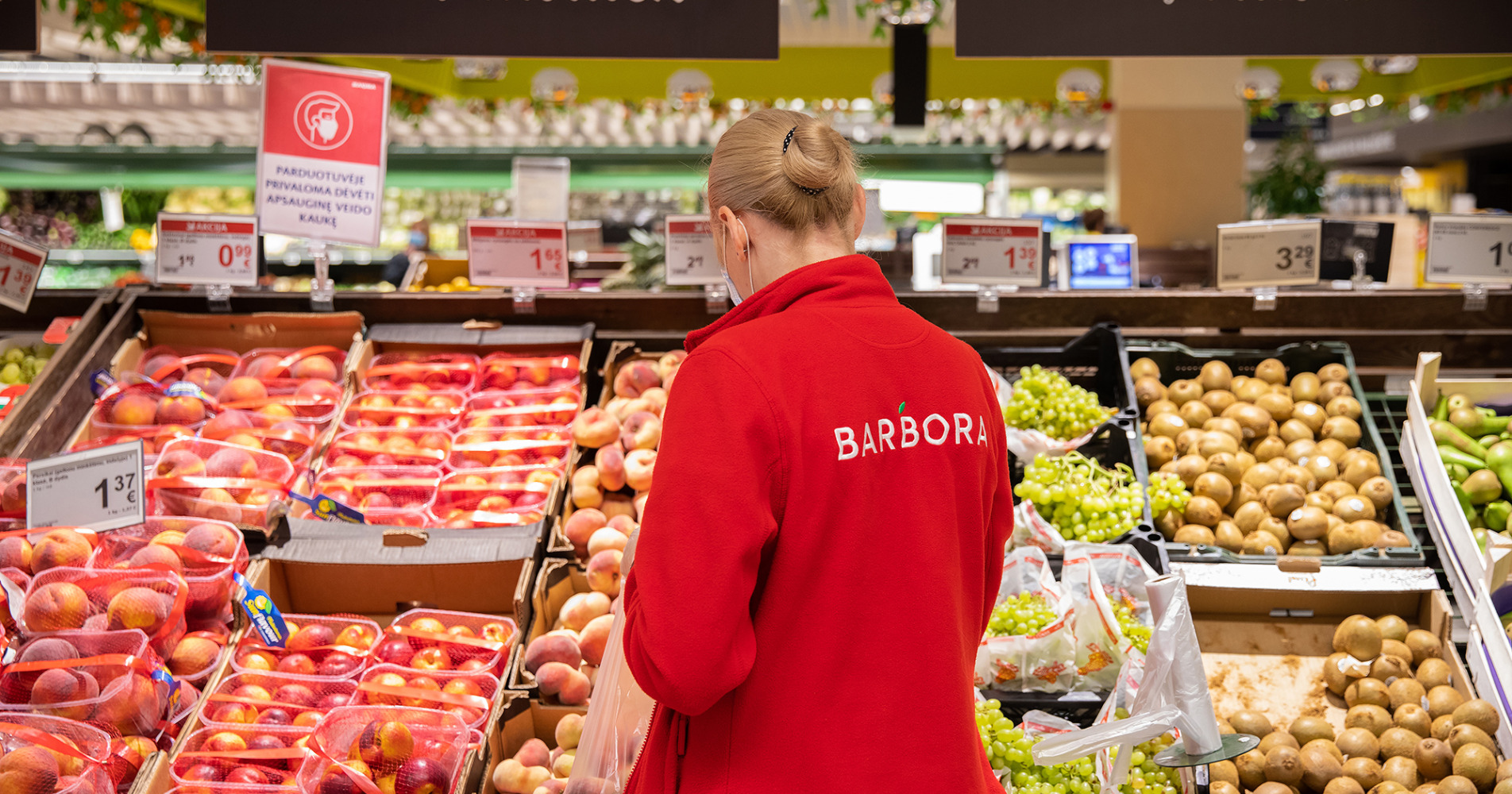
We strive to create healthier and more efficient workplaces by improving the facilities used by our staff, equipping them with advanced equipment, and offering benefits such as free meals for employees working in stores, logistics centers, and warehouses, as well as higher discounts on products purchased in our stores. The Group is making efforts to create an ergonomic work environment where employees can perform their tasks more quickly and efficiently while saving time and energy.
In 2025, total Group-level expenditures related to employee training and skills development amounted to approximately EUR 686 thousand. Training content is regularly updated to reflect operational changes, regulatory requirements, and evolving workplace needs.
The Group is committed to fostering a family-friendly work environment by offering an additional benefits package designed to support employee well-being and work–life balance. Recognizing that our employees have diverse needs and priorities, we provide hybrid working arrangements for administrative employees in many countries. This flexible approach allows employees to integrate their professional and personal lives more smoothly, giving them the freedom to work both in the office and remotely from home.
Our health and safety management systems are designed in accordance with the legal requirements of the countries in which we operate and apply to 100% of employees across all Group companies. Each company has designated specialists or departments responsible for ensuring compliance with and implementation of occupational health and safety standards. Employees receive training based on established protocols, and in hazardous situations, stopping work is recommended. These efforts help maintain a Total Recordable Incident Rate (TRIR) significantly below 15, which is considered typical for the food and beverage sector.
 In 2024, the Baltic retail companies established targets for the number of workplace accidents per 1 million hours worked for the 2024–2030 period. The indicator used to monitor this target is equivalent to the Total Recordable Incident Rate (TRIR) and is calculated as the total number of recordable incidents from the beginning of 2024 to the end of the reporting year, divided by the total number of hours worked during the same period, and multiplied by 1 million.
For the 2024–2030 period, the average number of workplace accidents per 1 million hours worked must not exceed 6.7 at MAXIMA Lithuania, 4.5 at MAXIMA Latvia, and 6.0 at MAXIMA Estonia.
 Employee turnover in the food retail sector in Europe is relatively high. According to data from the British Retail Consortium, employee turnover in the United Kingdom reached 50.8% in the first quarter of 2023 and is considered representative of the overall European average. Our Group’s employee turnover rate does not exceed this level.